

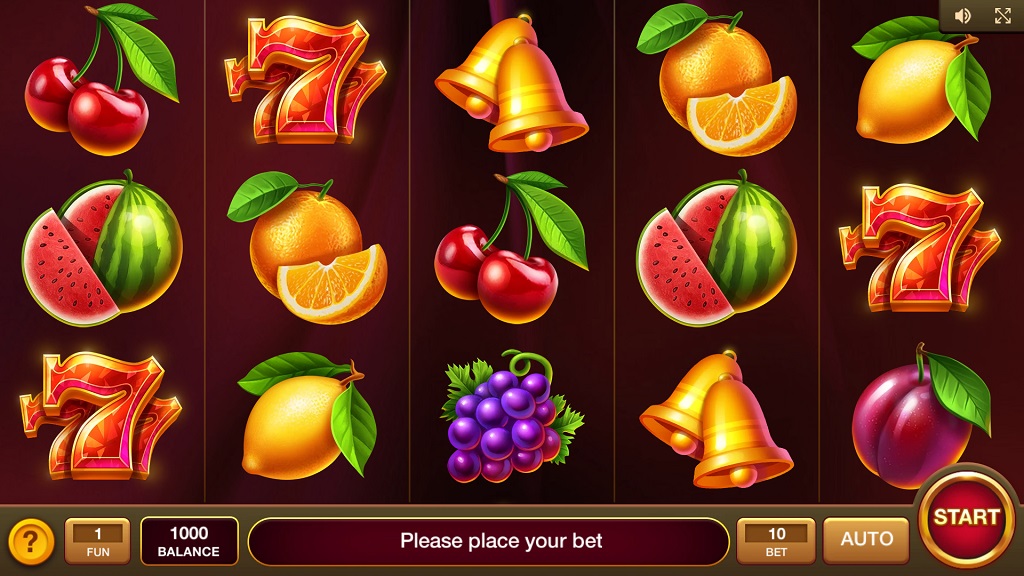
I’ve logged countless hours playing reels and placing bets across dozens of platforms, and few promotions produce the same raw excitement as a well-run Drop and Win event https://zombillionn.co.nl/. The basic idea sounds simple: a prize pool gets handed out randomly or through specific triggers to active players over a set period. But once you peer under the hood, you spot big structural differences. Some operators organize daily drops with thousands of tiny prizes, while others pool everything into a single weekly jackpot that can genuinely alter a player’s life. The mechanics behind the randomization, the qualifying games, and the prize distribution all diverge more than most people think. I want to walk you through how these events match up across the industry, what makes certain implementations shine, and what you should actually look for before committing your bankroll to a specific promotion. This is not about choosing a winner. It is about comprehending the machinery so you can make an informed choice that matches your playing style.
The Core Mechanics Behind Prize Drops
When I dig into the backend logic of a Drop and Win campaign, I am really looking at the randomization engine that decides who gets paid. Most reputable platforms use a certified random number generator that operates independently of the game’s own RNG, meaning the prize drop is a separate layer running on top of your normal gameplay. Pragmatic Play’s Drops and Wins is the standard I compare everything else against. Its prizes are distributed through a purely random time-seeded algorithm that picks an active player at an unpredictable moment. The system does not care whether you are betting the minimum or swinging for the fences during a standard random drop. Some events introduce a weighted mechanic where higher bet sizes slightly increase your probability of triggering a drop, though this is always disclosed in the terms. The key distinction I always check is whether the drop is truly random or tied to a specific in-game symbol combination. True random drops create a level playing field, while symbol-triggered drops reward volume and speed of play more directly.
The timing structure is an additional factor that dramatically changes the vibe of an promotion. I have been involved in campaigns where rewards drop every few seconds across a system of thousands of users, creating a constant stream of small wins that maintain the room buzzing. Other setups focus all the power into a single mega-drop that occurs once per day at a pre-announced time, which builds a entirely distinct kind of tension. The daily aggregate model often divides a fixed budget into hundreds of micro-prizes, a selection of mid-tier rewards, and one headline amount. When I measure this to a weekly tournament hybrid, where a leaderboard runs alongside random drops, the tactical factors shift completely. You might grind steadily for the random drops while concurrently trying to climb the multiplier leaderboard for an additional payout. Comprehending the pulse of the event helps me determine whether I need to set aside a specific hour or can casually play throughout the week.
One Game Versus Network-Wide Events
One of the biggest structural differences I come across is whether the Drop and Win is confined to a single title or spans an entire provider’s portfolio. A single-game event, like one centered exclusively on a popular slot such as Gates of Olympus, gathers all qualifying players into one ecosystem. This means the prize pool is shared among a smaller, more dedicated group, but the competition can be intense because everyone is optimized for that specific math model. I find these events particularly attractive when I already love the featured game and understand its volatility. The prize drops often feel more regular per capita because the player pool is naturally limited to fans of that title. On the flip side, a network-wide event covering every slot from a provider like Pragmatic Play or Playson casts a much wider net. The prize pools are typically enormous, sometimes exceeding a million euros monthly, but you are vying against a global army of players. The drop frequency per individual feels less, but the top prizes are substantially larger.
The qualifying criteria also differ substantially between these two formats. In a single-game event, the minimum bet to qualify is usually set at a specific level, and I always verify whether the game’s ante bet feature counts toward the requirement. Some operators disqualify bonus buy spins from triggering prizes, which is a critical detail if you like purchasing features directly. Network-wide events generally set a universal minimum bet across all eligible games, but the real money wagering requirement can change depending on the currency you are using. I have seen platforms where the qualifying bet in euros is clear, but the equivalent in other currencies gets rounded up clumsily, effectively forcing a higher minimum. Single-game events offer substance and a tighter community atmosphere, while network-wide promotions deliver breadth and life-changing top prizes. Neither is objectively best. It depends entirely on whether you prefer frequency or magnitude.
Tournament Leaderboards Versus Instant Drops
The difference between a straight random drop and a tournament leaderboard is where I see the greatest strategic divergence in how I approach my sessions. Instant drops recognize presence and luck. You simply engage in qualifying games and hope the system taps you on the shoulder. There is no score to pursue, no multiplier to perfect, and no leaderboard anxiety. I find this format extremely relaxing because it strips away the competitive pressure and lets me focus solely on enjoying the game itself. The downside is that high-volume players do not get any inherent advantage, which can feel irritating if you are putting in serious hours and watching casual players snag the big prizes. Tournament-style events flip this dynamic entirely by tracking your highest single-spin multiplier or total win amount over a set period. Suddenly, every spin carries weight, and I find myself adjusting my bet sizing and game selection to maximize my multiplier potential rather than just playing for entertainment.

Hybrid events are becoming more common, and I think they represent the most refined approach to keeping both casual and hardcore players engaged. A typical hybrid setup runs a continuous random drop alongside a daily or weekly tournament leaderboard, often drawing from the same prize pool but with separate allocation buckets. I might trigger a random ten-euro drop while simultaneously sitting in forty-seventh place on the multiplier leaderboard with a 350x win. The combination keeps me anchored to the platform because even if my leaderboard position slips, the random drops provide a baseline of positive reinforcement. The leaderboard component usually resets frequently, sometimes every hour in turbo-style events, which prevents a single lucky player from locking up the top spot for the entire campaign. When I evaluate these hybrids, I look closely at how the points are calculated. Some systems award one point per euro won, which favors high-stakes players, while others use a multiplier-only metric that levels the playing field across bet sizes.
Prize Pool Structures and Realistic Expectations
I have discovered to read prize pool breakdowns with a discerning eye because the headline number can be deeply confusing if you do not comprehend the distribution. A campaign promoting a one-million-euro prize pool sounds unbelievable until you recognize that nine hundred thousand of that is distributed into ten thousand micro-prizes of under a hundred euros each. The top prize might be a decent fifty thousand, but your true probability of winning it is extremely low. What I find more useful is the median prize value and the occurrence of drops relative to the active player count. Some platforms publish real-time data showing how many prizes are available, which lets me determine whether the pool is skewed early or evenly distributed across the campaign period. The most gambler-friendly structures I have encountered use a decreasing prize table where the largest amounts drop during peak hours to enhance engagement, while the overall distribution provides a consistent trickle of smaller wins throughout quieter periods.
Cash prizes are the most frequent reward, but I am more and more seeing operators mix in non-cash incentives that alter the value proposition fully. Free spin bundles, bonus credits with low wagering requirements, and even physical merchandise from time to time appear in the prize matrix. When I contrast a pure cash drop event to one that includes bonus funds, I always factor in the wagering requirement associated to those bonuses. A fifty-euro bonus with a thirty-five times playthrough is effectively worth far less than a twenty-euro cash prize with no strings attached. Some events at Zombillion Casino, for instance, organize their drops so that every prize is paid in withdrawable cash instantly, which eliminates the post-win grind that often ruins the experience. I also pay attention on whether the prize pool is secured or based on a portion of the qualifying wagers. Guaranteed pools offer certainty, while contribution-based pools can expand beyond expectations during busy periods but also diminish during quiet weeks.
Game Eligibility and Differences Between Providers
The selection of qualifying titles is the first thing I scan when a new Drop and Win event starts because it right away shows me whether I will enjoy the next few weeks. Pragmatic Play’s network events typically feature their whole slot portfolio, but I have seen that specific high-profile titles like Sweet Bonanza and Sugar Rush often feature further boosted drops specific to those games. This forms a layered eligibility structure where you can try any game in the collection for a chance at the main prize pool, but focusing on the highlighted games gives you bonus entries. Playson’s CashDays events operate likewise, though I notice their prize allocation tends to prefer a larger number of tinier instant prizes instead of enormous jackpots. The game eligibility also determines the volatility you will encounter during the event. If the eligible list is overwhelmed by high-volatility slots, your bankroll will swing more dramatically, which can be demanding if you are working particularly for random drops that may not arrive.
Live casino Drop and Win events are a completely different beast, and I tackle them with a separate set of anticipations. Evolution Gaming and Pragmatic Play Live both run network promotions that include ewmagazine.nl specific roulette, blackjack, and game show tables. The mechanics shift from random time-based drops to outcome-based triggers, such as a specific number hitting in roulette or a certain hand combination in blackjack. I find live casino drops more predictable in a sense because I understand specifically what conditions must occur for a prize to be awarded, even if those conditions are rare. The speed is slower than slots, which implies the prizes incline to be bigger per drop to make up for the lower frequency. One thing I always check is whether side bets are required for eligibility. Some live blackjack drop events demand you to make a certain side bet to qualify, which increases your cost per round significantly and changes the house edge calculation. Zombillion Casino usually makes these requirements clear in the event terms, which I value because concealed side-bet conditions can quietly drain a bankroll.
Withdrawal Speed and Withdrawal Considerations for Wins
Winning a drop prize is thrilling, but the true test of any platform is how quickly and cleanly you can reach your money later. I have seen the full spectrum, from on-the-spot cash credits that are withdrawable within minutes to bonus funds that demand a long playthrough before you see a cent. The finest Drop and Win events award prizes as cash with zero wagering requirements, meaning the money lands in your main balance and you can initiate a withdrawal instantly. When I judge a platform like Zombillion Casino for these events, I examine the payment processing times for the methods I really use. E-wallet withdrawals normally process within a day on well-managed platforms, while bank transfers can need three to five business days. Cryptocurrency payouts often clear the fastest, sometimes within hours, which renders particularly attractive for claiming drop winnings without delay. The payment method you employed to deposit can also impact withdrawal eligibility, as most authorized platforms require you to withdraw back to the same method before presenting alternatives.
There is also the practical matter of withdrawal limits, which can unexpectedly cap the advantage https://www.knack.be/nieuws/wereld/europa/de-koppeling-tussen-europese-centen-en-respect-voor-de-rechtsstaat-gevolgen-van-een-mijlpaalarrest/ of a large drop win. I have observed platforms with daily withdrawal ceilings of €5,000, which signifies a 20,000 EUR tournament prize would require four days to completely extract. This is not automatically a dealbreaker, but it is a detail worth understanding before you rejoice too hard. Some operators remove these limits for progressive jackpot wins but not for Drop and Win prizes, which creates an frustrating distinction. I also pay attention to the know-your-customer verification process because a pending verification can slow down your first withdrawal substantially. Platforms that allow you to upload documents proactively and get verified before you win are vastly preferable in my experience. Zombillion Casino’s approach to verification is uncomplicated, and I advise completing it early so that when a drop prize hits, you are not left waiting for an approvals queue while the excitement diminishes.
Mobile Performance and Technical Stability During Peak Drops
I carry out most of my Drop and Win chasing on mobile devices, and the platform performance of the platform during high-traffic periods is a critical factor. When a major daily drop is about to activate, thousands of players crowd the eligible games simultaneously, and poorly optimized platforms begin to falter. I have experienced laggy spins, delayed prize notifications, and even complete disconnections during crucial moments. A smooth mobile experience demands more than just a responsive website. The underlying server infrastructure must cope with sudden traffic spikes without compromising the gameplay. The best operators employ load-balanced servers that distribute the strain evenly, ensuring that my spins process at normal speed even when the player count triples in the minutes surrounding a guaranteed drop window. I also prize a clean mobile interface that clearly presents my active participation status and recent prize winners, which provides updates without needing to leave from the game.
Battery consumption and data usage are practical concerns that rarely are mentioned in promotional materials but count enormously during extended grinding sessions. Some slot games are extremely power-hungry on mobile, and running them for hours while chasing drops can exhaust a full charge surprisingly fast. I prefer platforms that feature lightweight game clients or battery-optimized modes for their most popular titles. Push notifications for prize wins are another mobile-specific feature that I consider as essential. The best implementations issue an immediate alert when I win a drop, even if I have momentarily moved to another app, ensuring I never overlook the moment. Zombillion Casino’s mobile platform manages these technical demands well, with a stable connection rate and clear prize alerts that maintain the experience frustration-free. The ability to change between landscape and portrait mode without the game reloading is a small detail that signals a platform has dedicated properly in its mobile infrastructure rather than regarding it as an afterthought.
Licensing, Audits of Fairness, and the Integrity of Randomized Drops
Confidence is the basis of any Drop and Win promotion because you are essentially accepting that an hidden algorithm is distributing prizes fairly. I invariably verify that the platform hosting the event holds a legitimate license from a recognized regulatory body, which imposes mandatory fairness audits on the random number generation systems. Authorities like the Malta Gaming Authority or the Curaçao Gaming Control Board require operators to submit their RNG and prize drop mechanics to independent testing laboratories such as iTech Labs or Gaming Laboratories International. These audits verify that the distribution is actually random and that the stated prize pool is fully allocated to players. I check for the testing agency’s seal in the website footer, and I am comforted when the operator displays the certification reports transparently. Zombillion Casino operates under a recognized license and subjects its promotional mechanics to regular third-party testing, which provides me with confidence that the drops are not tampered with to favor certain player profiles or bet sizes beyond what is openly disclosed.
Beyond the technical audits, I scrutinize the terms and conditions governing player eligibility and prize disqualification. Some operators bury clauses that disqualify players from specific countries or those using certain payment methods, and discovering this after a win is heartbreaking. I have seen terms where players who use VPNs are routinely disqualified, even if the VPN was for lawful privacy reasons and not to evade geo-restrictions. The most dependable platforms present their eligibility requirements explicitly at the top of the promotional page, not in fine print at the bottom. Another integrity marker I appreciate is the release of recent winners, either through an in-game ticker or a dedicated winners page. Seeing real usernames and prize amounts changing in real time provides social proof that the drops are indeed occurring and that typical players are gaining. The lack of a winners feed does not automatically indicate foul play, but its presence significantly increases my confidence in the promotion’s legitimacy and maintains my engagement during long sessions.